
SME Toolkit: Futureproofing SMEs in Bangladesh
Category: Business Growth
SME ESG Toolkit is a practical, action-oriented course designed to help small and medium-sized enterprises use ESG to reduce costs, access new markets, secure finance, and meet buyer expectations. Through focused modules, participants learn zero-cost compliance basics, workforce and human rights essentials, energy, water and waste management, buyer audit readiness, strong governance and anti-corruption practices, and simple sustainability reporting. The course equips SMEs with realistic tools and guidance to turn ESG from a compliance burden into a business advantage.
Trailer
The SME ESG Toolkit Course is a practical, step-by-step program designed to help small and medium enterprises understand, implement, and manage ESG requirements without complexity or high cost.
The course focuses on real business needs cost control, buyer compliance, access to finance, workforce stability, audit readiness, and sustainability reporting using simple tools, registers, and routines that SMEs can apply immediately.
This course is built for SMEs who want to stay competitive, credible, and prepared in a rapidly changing market environment.
Course content
8 Modules, 32 Lessons, 32 Hours Duration, 32 Quizzes
Module 1: Cost Saving and Market Access
Learn how ESG helps SMEs reduce costs, manage risks, and improve access to buyers and finance using simple, practical tools.
Lesson 1: Why ESG Matters, Common SME Gaps, and Self-Assessment
Understand why ESG matters for SME growth, buyer trust, and bank financing. Learn to identify common ESG gaps and assess your business risk through a simple self-assessment.
Lesson 2: Demystifying Your Toolkit: What to Do Next
Learn how basic registers, simple records, and short policies can fix ESG gaps. Discover low-effort tools that improve compliance, control costs, and build buyer and bank confidence.
Lesson 3: Knowing Your Sustainability Gaps
Learn how to identify which ESG gaps create the biggest cost, contract, and finance risks. Use a checklist to prioritise your top sustainability gaps that threaten business continuity.
Lesson 4: Self-Audit: Fixing Gaps Before Buyers or Regulators Arrive
Learn how to conduct quick self-audits to fix gaps before buyers, banks, or regulators arrive. Build a simple routine that keeps your business audit-ready and under control.
Module 2: Access to Finance
This module helps SMEs understand how banks think, identify the right financing options, build a strong loan case, and make smart go/no-go financing decisions with confidence.
Lesson 1: What Banks Look for in SMEs
Learn how banks assess SME risk beyond collateral focusing on business stability, predictability, control systems, and governance and how to view your business from a bank’s perspective.
Lesson 2: Green Finance Schemes
Understand which green or refinance loan products actually fit your business, when to apply, and how to avoid blind applications using a simple eligibility and readiness check.
Lesson 3: Building a Loan Business Case
Learn how to clearly explain why you need a loan, how it reduces risk or costs, and how you will repay it using a simple one-page, bank-ready loan request.
Lesson 4: From Readiness to Action: Your Financing Go / No-Go Plan
Learn how to make a clear, disciplined decision on whether to apply now, prepare further, or stop protecting your credibility with banks and avoiding costly rejection.
Module 3: Zero Cost Compliance Starter
This module helps SMEs meet basic ESG and compliance requirements using simple documents, existing practices, and zero-cost systems reducing audit risk and improving business credibility.
Lesson 1: Self-Assessment and Common Gaps for SMEs
Learn what “zero-cost compliance” really means and how many ESG and buyer requirements can be met without new investments by using existing practices, records, and basic discipline.
Lesson 2: Demystifying Your Toolkit - What to Do Next
Learn which basic documents, policies, and records SMEs must have to meet buyer, bank, and regulatory expectations and how to keep them simple and practical.
Lesson 3: Knowing Your Sustainability Gaps
Learn the most common compliance mistakes SMEs make that trigger audit findings, buyer concerns, or financing delays and how to avoid them early.
Lesson 4: Self-Audit - Monthly System Health Check
Learn how to maintain compliance consistently using simple routines, clear responsibility, and basic tracking without adding workload or complexity.
Module 4: Workforce and Human Rights Essentials
This module helps SMEs understand zero-tolerance workforce risks, set clear rules, give workers a safe voice, and retain workers using simple, low-cost practices, protecting business continuity and buyer trust.
Lesson 1: High Risk Violations: What Can Destroy Your Business Overnight
Learn which workforce and human rights violations can shut down your business overnight. Understand why child labour, forced labour, and unequal pay are non-negotiable red lines for buyers, brands, and banks.
Lesson 2: Simple Policies - Clear Rules That Protect Your Business
Learn how a few clear, simple policies can prevent serious workforce violations. Understand how basic rules on conduct, harassment, and equal pay protect your business without legal complexity or cost.
Lesson 3: Grievance Mechanism - Giving Workers a Safe Voice
Learn how to give workers a safe way to raise concerns before problems escalate. Understand how a simple grievance system reduces buyer risk, improves trust, and prevents external complaints.
Lesson 4: Retention Practices - Keeping Workers Without Extra Cost
Learn practical, zero-cost ways to retain workers through respect, fairness, safety, and clear communication. Understand why good treatment, not higher pay alone keeps workers loyal and operations stable.
Module 5: No-Cost Energy Actions
This module helps SMEs control energy, water, and waste through simple tracking, low-cost habits, and practical monitoring reducing costs and improving buyer confidence.
Lesson 1: Electricity Usage Efficiency
Learn how energy, water, and waste affect your costs and buyer perception. Understand which resource areas matter most for your business and where basic control starts.
Lesson 2: Water Efficiency and Pollution Basics
Learn how to track energy, water, and waste using simple monthly records. Understand how basic tracking helps reduce costs and shows control without new investment.
Lesson 3: Waste Segregation and Recycling
Learn how to convert utility bills and basic records into useful numbers. Understand trends, spot inefficiencies, and focus on improvement, not perfection.
Lesson 4: Monthly Utility Tracking
Learn how small, consistent habits help control energy, water, and waste over time. Understand why regular tracking matters more than one-time actions.
Module 6: Buyer Audit Readiness
This module prepares SMEs to face buyer audits with confidence by understanding expectations, fixing gaps early, and responding professionally without fear or last-minute stress.
Lesson 1: Buyers Code of Conduct
Learn what buyer codes of conduct really mean and how to read them without panic. Understand what buyers expect and what they actually check during audits.
Lesson 2: Supplier Self-Assessment Forms (SAQ)
Learn how to assess your readiness before an audit. Identify common audit gaps early and understand which ones create serious buyer risk.
Lesson 3: Supplier Profile Pack
Learn how to respond to audit findings with clear corrective actions. Understand how CAPA builds buyer trust and prevents repeat non-compliance.
Lesson 4: Corrective Action and Pre-Audit Preparation (CAPA)
Learn what to do and what not to do during audits. Understand how honesty, preparation, and discipline turn audits into conversations, not conflicts.
Module 7: Governance and Anti-Corruption
This module helps SMEs reduce corruption risk through simple rules, clear decisions, and transparent records building trust, predictability, and long-term credibility.
Lesson 1: Cost of Corruption for SMEs
Learn how everyday corruption quietly damages profits, buyer trust, and bank confidence. Understand why corruption is a business risk, not just an ethical issue.
Lesson 2: Integrity Controls
Learn how simple rules and controls prevent corruption without bureaucracy. Understand how small discipline changes protect your business from repeated losses.
Lesson 3: Vendor and Payment Vetting
Learn how clear approval processes reduce risk and confusion. Understand how predictable decisions build trust with buyers and banks.
Lesson 4: Documentation and Transparency
Learn why records matter more than intentions. Understand how simple documentation builds long-term trust and protects your business during reviews or disputes.
Module 8: Sustainability Reporting
This module helps SMEs turn existing practices into clear ESG information, focusing on material metrics and simple reporting to support buyer and financing conversations.
Lesson 1: Key ESG Metrics and Materiality for SMEs
Learn which ESG metrics actually matter for your business. Understand how to focus on material issues instead of tracking everything.
Lesson 2: Turning Logs into Numbers
Learn how existing registers and logs can become ESG data. Understand how to track ESG numbers without new surveys or systems
Lesson 3: Drafting a Sustainability Statement
Learn how to convert ESG data into a short, clear sustainability statement. Understand how to communicate progress to buyers and banks simply.
Lesson 4: Choosing the Right ESG Framework
Learn how to use sustainability information confidently in buyer, bank, and partner discussions. Understand how ESG supports credibility and access not marketing claims.
Instructors

Shadman Sakib Anik, CSRM™
Executive Director, ESG Institute Bangladesh
Leadership & Current Role: Serving as the Executive Director of ESG Institute Bangladesh, where he leads programs to strengthen ESG capacity, sustainability reporting, and responsible business practices. Professional Experience: Founding Partner of CSR Window, where he co-created the Bangladesh Sustainability Excellence Awards and developed one of the country’s largest CSR think tanks. His career also includes roles at IDLC Finance PLC and Reckitt, where he managed CSR portfolios exceeding BDT 30 million and worked on aligning corporate strategies with the UN Sustainable Development Goals (SDGs). Education & Certification: Holds a BBA in Finance and Marketing from the Institute of Business Administration (IBA), University of Dhaka, and is a Certified Sustainability Reporting Manager (CSRM™). He is also an alumnus of the Kennedy-Lugar YES Program. Facilitation & Focus: Supporting organizations to understand sustainability disclosure requirements and integrate them into business strategies. His work bridges global frameworks with local context, enabling companies to prepare for the evolving landscape of ESG and sustainability reporting.
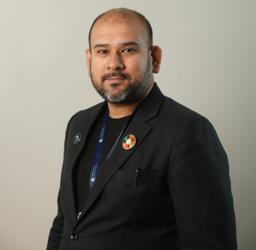
Mabrur Mujib Chowdhury
Corporate Sustainability, ESG and Organizational Transformation Specialist
Mabrur Mujib Chowdhury is the Programme Manager at the Bangladesh Network of the United Nations Global Compact, where he leads private sector engagement on sustainability and ESG priorities. Since 2023, he has worked with over 100 companies to embed responsible business practices aligned with the UN Global Compact’s Ten Principles—spanning Human Rights, Labor Standards, Environmental Responsibility, and Anti-Corruption. With a background in organizational transformation and strategic consulting, Mabrur brings over eight years of experience across corporate sustainability, culture change, digital transformation and stakeholder engagement. He previously served as a Senior Analyst at ZUNOKS Consulting, delivering employee engagement and change management solutions to leading organizations. Mabrur holds an MBA from IBA, University of Dhaka, and a BSc in Economics and Computer Science from BRAC University. He is passionate about building ESG capacity within businesses to drive long-term, inclusive growth in Bangladesh.

Tahmina Zaman Khan
Head of Sustainability and department of risk management division, Mutual Trust Bank
Tahmina Zaman Khan is currently the Head of Sustainability and department of risk management division. She has over 19 years’ experience in the area of Risk Management, Environmental & Social risk due diligence, E&S governance, sustainability reporting and disclosures, sustainable and climate finance. She is a seasoned banker with a stint of banking experience in field of risk management, Basel accords implementation, ESG and climate change. She is responsible to instill compliance and risk culture while ensuring sustainable banking practices within her realm of influence, strengthen ESMS, ensure regulatory/ DFI compliance, bolster in-house initiatives for resource efficiency, formulate risk appetite and ensure adherence, engage in capacity development, enhance sustainable and green financing and DFI liaison. She strives to engrave the values supported by the various sustainability networks. Partake in local as well as international training, webinars, research, global initiatives and allied engagements. Such alliances strongly pave the sustainability infrastructure of the organization she is serving currently. She started her banking career at BRAC Bank as Management Trainee.
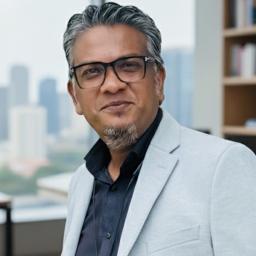
Md. Mahadi Faisal
Deputy Director - Category Growth, Marketing & ESG, ACI Logistics Ltd
Md. Mahadi Faisal is a senior business leader at ACI Logistics Ltd. (Shwapno), Bangladesh’s largest modern retail chain, where he serves as Deputy Director – Category Growth, Marketing & ESG. He brings extensive experience in category management, value chain optimization, and sustainable agriculture, operating at the critical intersection of farmers, suppliers, consumers, and modern retail. His work is centered on end-to-end value creation, spanning responsible sourcing, farm-level capability building, product quality enhancement, and consumer affordability. Mahadi has been instrumental in advancing climate-resilient agricultural practices, inclusive supply-chain models, and ESG-led business integration, with a clear focus on long-term system value rather than transactional outcomes. An alumnus of the Swedish Institute and the DANIDA Fellowship Centre, he combines global perspective with deep local understanding, translating international best practices into scalable, context-driven solutions for Bangladesh’s agri-food and retail ecosystem. He is widely regarded for his systems thinking, data-informed leadership, and purpose-driven approach, guided by the belief that sustainable growth must serve both economic progress and societal well-being.

Md. Masud Parves
Deputy Director - Integrated Supply Chain and Distribution, ACI Logistics Ltd.
Md. Masud Parves is a seasoned Supply Chain and Operations Leader with over 13 years of experience driving sustainable transformation in Fortune 500 environments. A Chemical Engineer from BUET, he combines technical rigor with strategic vision to build resilient, eco-efficient operations. Masud holds the distinction of leading the first factory in Bangladesh to achieve Alliance for Water Stewardship (AWS) accreditation, setting a national benchmark for responsible water governance and sustainable water balance. As the Lead for Focused Improvement and Loss Elimination, he successfully reduced unaccountable wastage from 7% to 2% and achieved a 1.5% overall waste reduction. His operational strategies optimized machine efficiency (OEE), ensuring electricity and resources are utilized with maximum impact and minimal footprint. Masud is also a key architect of the Trademark ESG initiative at BAT Bangladesh, with extensive experience in conducting Global Sustainability Audits and authoring Sustainability Annual Reports. He championed supply chain localization, saving BDT 400 million while significantly cutting carbon emissions. Recognized as "Changemaker of the Year," he is a certified Harvard Management Mentor trainer dedicated to empowering organizations. Masud’s expertise provides a practical roadmap for SMEs to master water stewardship, waste reduction, and energy efficiency.

ABM Faqrul Alam
Sustainability Lead, Urmi Group
Faqrul is an ESG and sustainability leader with 14+ years of experience across Bangladesh’s RMG and pharmaceutical sectors, currently serving as Head of Sustainability at Urmi Group, a leading textile and RMG conglomerate. He has a strong track record in aligning organizational practices with global sustainability goals, environmental standards, and buyer requirements, with deep expertise in decarbonization, green energy, recycling, and circular economy solutions. He is a certified ISO 9001 QMS and ISO 14001 EMS Lead Auditor and is recognized as an ESG specialist. Previously, as Group Head of Sustainability at Dekko ISHO Group, he founded and led the Sustainability Department, implementing a sustainability strategy and roadmap across 16 business units. Under his leadership, 30+ sustainability projects were delivered in collaboration with international buyers and government agencies, covering LEED (BD+C and O+M) certifications, social and environmental compliance, and circular economy initiatives. Faqrul has represented organizations on national and international platforms, including the Inditex Product Launching Platform (UAE), Bangladesh Circular Summit (Dhaka), and UNGC AGM (Dhaka). He has served as a Master Trainer for Nirapan, a national expert in TVET teacher training, and a curriculum advisor to BTEB, contributing to workforce upskilling, industry-aligned education, and improved employability outcomes. He also serves as Adjunct Faculty (ESG) at BRAC University, supporting the next generation of sustainability professionals.
Shadman Sakib Anik, CSRM™
Executive Director, ESG Institute Bangladesh
Leadership & Current Role: Serving as the Executive Director of ESG Institute Bangladesh, where he leads programs to strengthen ESG capacity, sustainability reporting, and responsible business practices. Professional Experience: Founding Partner of CSR Window, where he co-created the Bangladesh Sustainability Excellence Awards and developed one of the country’s largest CSR think tanks. His career also includes roles at IDLC Finance PLC and Reckitt, where he managed CSR portfolios exceeding BDT 30 million and worked on aligning corporate strategies with the UN Sustainable Development Goals (SDGs). Education & Certification: Holds a BBA in Finance and Marketing from the Institute of Business Administration (IBA), University of Dhaka, and is a Certified Sustainability Reporting Manager (CSRM™). He is also an alumnus of the Kennedy-Lugar YES Program. Facilitation & Focus: Supporting organizations to understand sustainability disclosure requirements and integrate them into business strategies. His work bridges global frameworks with local context, enabling companies to prepare for the evolving landscape of ESG and sustainability reporting.
Shadman Sakib Anik, CSRM™
Executive Director, ESG Institute Bangladesh
Leadership & Current Role: Serving as the Executive Director of ESG Institute Bangladesh, where he leads programs to strengthen ESG capacity, sustainability reporting, and responsible business practices. Professional Experience: Founding Partner of CSR Window, where he co-created the Bangladesh Sustainability Excellence Awards and developed one of the country’s largest CSR think tanks. His career also includes roles at IDLC Finance PLC and Reckitt, where he managed CSR portfolios exceeding BDT 30 million and worked on aligning corporate strategies with the UN Sustainable Development Goals (SDGs). Education & Certification: Holds a BBA in Finance and Marketing from the Institute of Business Administration (IBA), University of Dhaka, and is a Certified Sustainability Reporting Manager (CSRM™). He is also an alumnus of the Kennedy-Lugar YES Program. Facilitation & Focus: Supporting organizations to understand sustainability disclosure requirements and integrate them into business strategies. His work bridges global frameworks with local context, enabling companies to prepare for the evolving landscape of ESG and sustainability reporting.
Shadman Sakib Anik, CSRM™
Executive Director, ESG Institute Bangladesh
Leadership & Current Role: Serving as the Executive Director of ESG Institute Bangladesh, where he leads programs to strengthen ESG capacity, sustainability reporting, and responsible business practices. Professional Experience: Founding Partner of CSR Window, where he co-created the Bangladesh Sustainability Excellence Awards and developed one of the country’s largest CSR think tanks. His career also includes roles at IDLC Finance PLC and Reckitt, where he managed CSR portfolios exceeding BDT 30 million and worked on aligning corporate strategies with the UN Sustainable Development Goals (SDGs). Education & Certification: Holds a BBA in Finance and Marketing from the Institute of Business Administration (IBA), University of Dhaka, and is a Certified Sustainability Reporting Manager (CSRM™). He is also an alumnus of the Kennedy-Lugar YES Program. Facilitation & Focus: Supporting organizations to understand sustainability disclosure requirements and integrate them into business strategies. His work bridges global frameworks with local context, enabling companies to prepare for the evolving landscape of ESG and sustainability reporting.
Our partners

This course includes the following:
On demand videos
Downloadable resources
Assignments
Certificate of completion
Enroll in all modules at once for
BDT 5,999.00
Want to enroll in a single module? Click here


